Local citations can make or break your visibility in local search.
If your business serves a specific area, local citations are one of the most direct ways to tell Google your business is real, relevant, and trustworthy.
A local citation is any mention of your business name, address, and phone number (NAP) on a third-party website, such as a directory, review platform, or local blog.
In this guide, you will learn the 8 proven benefits of local citations, what happens when they are inconsistent, and why they still play a key role in local SEO in 2026.
What Is a Local Citation?
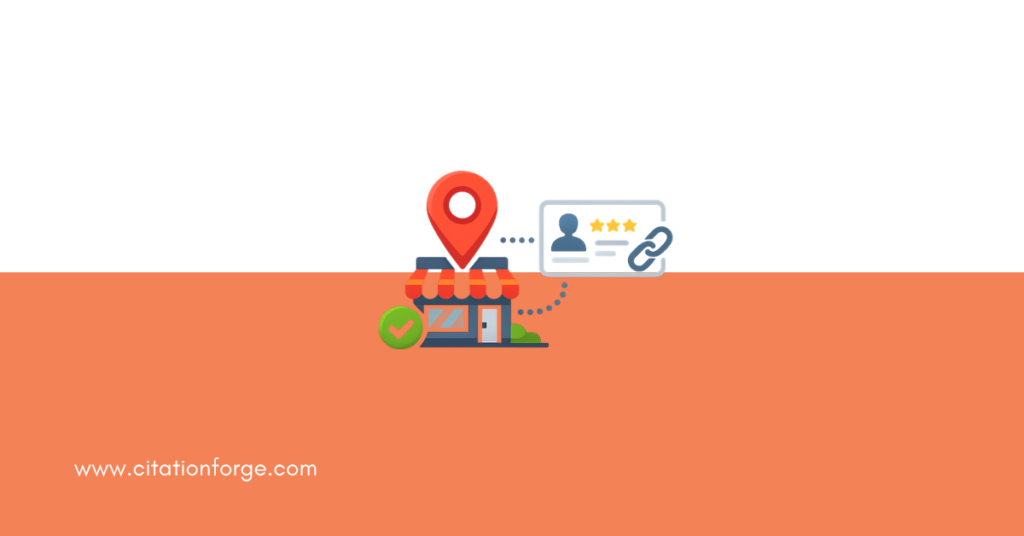
A local citation is any online mention of your business’s name, address, and phone number, commonly referred to as NAP.
Search engines use this information to verify that your business exists and operates where you say it does. The more consistently this data appears across the web, the more confident Google becomes in showing your business in local search results.
Structured vs. Unstructured Citations
There are two types of local citations:
- Structured citations appear in business directories with a fixed format. Think Google Business Profile, Yelp, Apple Maps, and Bing Places. These listings follow a standard template and include your NAP, hours, website, and sometimes reviews.
- Unstructured citations are mentions of your business on blogs, news sites, social media posts, or event pages. They do not follow a set format, but they still signal to search engines that your business is active and recognized.
Also Read: Structured vs. Unstructured Citations: What’s the Difference?
Where Citations Appear
Local citations show up across a wide range of platforms, including:
- National directories like Yelp, Yellow Pages, and Foursquare
- Industry-specific directories like Healthgrades or Houzz
- Social platforms like Facebook and LinkedIn
- Local news sites and community blogs
- Review platforms and map applications
Both types matter. Structured citations build your foundation. Unstructured citations add depth and context.
8 Benefits of Local Citations
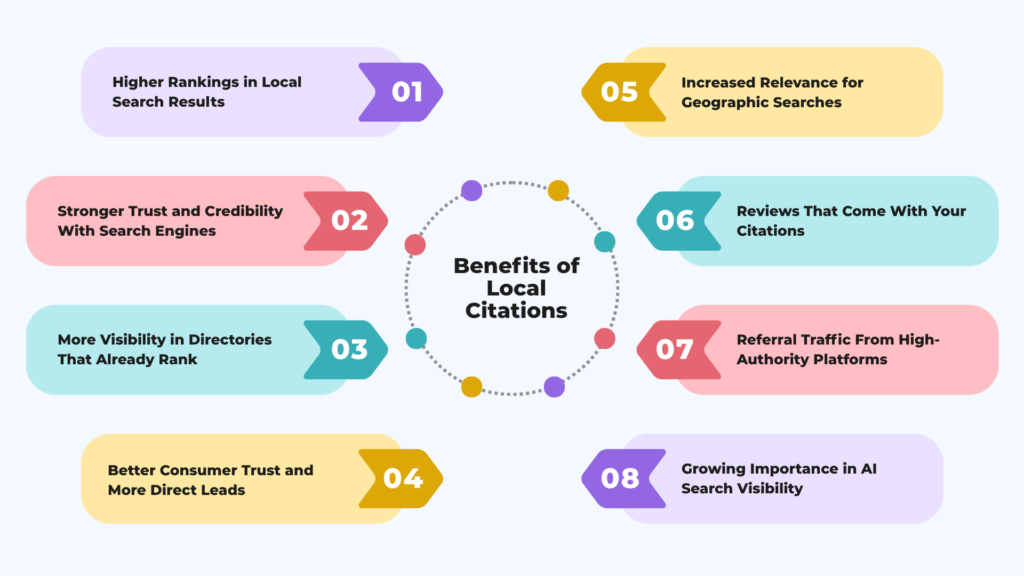
1. Higher Rankings in Local Search Results
Research shows citations are the sixth most significant ranking factor for local pack visibility and tied as the fourth most important signal for local organic search results.
That means when someone searches “dentist near me” or “plumber in [city],” businesses with strong, consistent citations are more likely to appear in the local pack and the top organic results.
Google uses citations to corroborate your NAP and location, supporting the prominence and relevance factors in its local algorithm. A business with accurate core citations on Google, Apple, Bing, Yelp, and relevant directories often outperforms competitors relying only on a website and incomplete Google Business Profile.
Key takeaway: Citations alone won’t push you to position one. But without them, you’re at a disadvantage before the competition even starts.
2. Stronger Trust and Credibility With Search Engines
Search engines can’t walk into your store. They rely on data to verify your business is real.
Citations play a key role in local search rankings because they help search engines verify the existence, accuracy, and relevance of your business. The more consistent and widespread your citations are, the more credible your business appears to search engines, potentially leading to higher rankings in local search results.
Think of it like references on a job application. The more consistent and credible sources confirm the same information, the more trustworthy the candidate looks.
What this means in practice: If your NAP data matches across your website, Google Business Profile, Yelp, and 20 other directories, search engines treat that consistency as a trust signal.
3. More Visibility in Directories That Already Rank
You don’t need to outrank directory sites. You can rank through them.
According to the BrightLocal Business Listing Visibility Study, business directories make up almost a third of local-intent organic search results overall (31%).
That means when someone searches for a local service, they’re often clicking on Yelp, TripAdvisor, or Yellow Pages before they reach individual business websites.
If your business is listed correctly on those platforms, you capture that traffic without doing any additional SEO work on your own site.
4. Better Consumer Trust and More Direct Leads
Citations don’t just influence algorithms. They influence real customers.
85% of consumers consider the presence of contact information and opening hours an important factor when researching local businesses.
When a potential customer finds the same accurate business details across multiple platforms, it confirms your business is active and professional. That’s often the difference between a phone call and a bounce.
Citations also create direct lead paths:
- Phone number on Yelp → direct call
- Address on Google Maps → directions clicked
- Website URL on Apple Maps → traffic to your site
Citations can direct traffic to your website, prompt phone inquiries, or even drive foot traffic to your physical location.
5. Increased Relevance for Geographic Searches
Being found for “[service] + [city]” searches is the core goal of local SEO. Citations help you get there faster.
Local citations increase your relevance in geographically targeted searches. Having citations on industry-specific directories increases the likelihood of being found by customers actively searching for your type of business.
For example, a roofing company in Australia listed on HomeAdvisor, Angi, and local Australia business directories sends a clear signal that it operates in that area and serves that category of customer.
The more geographically and topically relevant your citations are, the stronger this signal becomes.
6. Reviews That Come With Your Citations
Most citation platforms aren’t just directories. They’re review platforms.
Reviews are a key part of how consumers view your business. A secondary advantage is that the reviews themselves are also a ranking factor, giving you double the benefit when it comes to improving your local visibility.
When you build a citation on Yelp, Google, or TripAdvisor, you’re also creating a space for customers to leave reviews. Those reviews then:
- Improve your star ratings across platforms
- Increase click-through rates from search results
- Act as an independent ranking signal on top of the citation itself
One citation listing can deliver two separate SEO benefits simultaneously.
7. Referral Traffic From High-Authority Platforms
Directory sites attract millions of visitors every month. A well-optimized citation on the right platform can send real traffic your way, not just SEO signals.
Consider platforms like:
- Yelp — high domain authority, active local buyers
- TripAdvisor — dominant in hospitality and food service
- Houzz — strong reach in home services
- Healthgrades — critical for medical and dental practices
Each listing is an additional channel where potential customers can find you. For local businesses that rely on foot traffic or phone leads, this kind of passive referral traffic adds up over time.
8. Growing Importance in AI Search Visibility
This is the benefit most businesses aren’t thinking about yet.
The 2026 BrightLocal Local Search Ranking Factors survey found that citation signals remain steady while showing bigger importance in AI visibility factors.
As tools like Google’s AI Overviews and other AI-driven search features pull local business data to answer user queries, consistent and widespread citations become one of the key ways AI systems verify and surface your business.
If your NAP data is scattered or inconsistent, AI tools may deprioritize your business or display inaccurate information. If your citations are clean and consistent, you’re more likely to appear in AI-generated local recommendations.
This isn’t speculative. It reflects how AI search features already pull data from structured sources to populate answers.
What Happens If Your Citations Are Inconsistent?
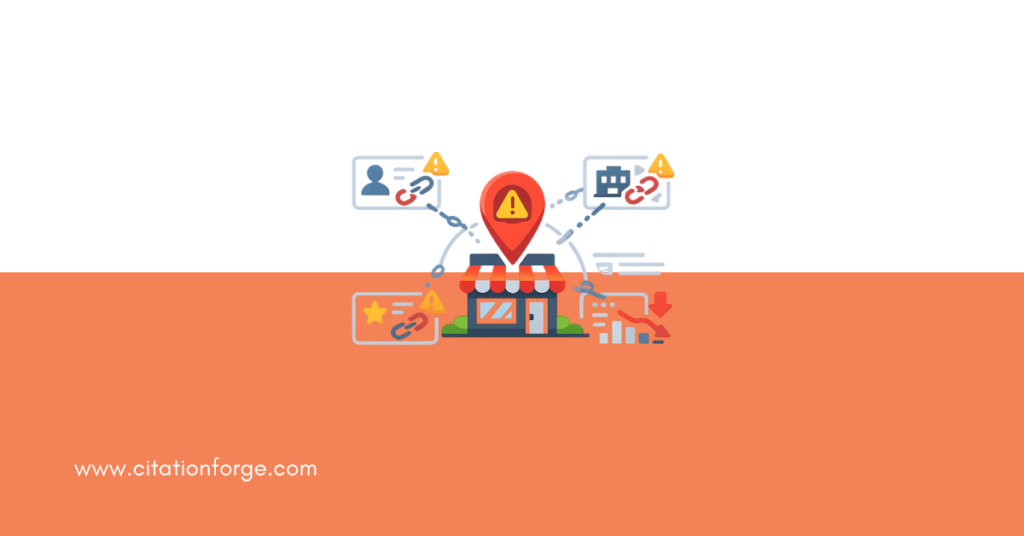
The benefits above depend entirely on one condition, your NAP data must be accurate and consistent everywhere.
Inconsistent citations cause real problems:
- Search engines get conflicting signals and reduce trust
- Customers find the wrong address or disconnected phone number
- Duplicate listings split your authority and weaken your rankings
Even small differences can lower rankings and reduce trust. Duplicate entries across directories create confusion for search engines and users. Google may split ranking signals between duplicates, weakening your overall authority.
Fix: Audit your citations regularly. Use tools like Citation Forge, BrightLocal or Yext to find inconsistencies, claim duplicate listings, and standardize your NAP across all platforms.
How Many Citations Do You Actually Need?
There is no magic number. Quality, relevance, and consistency matter more than volume. A business with accurate listings on core directories and several industry-specific and local citations can outperform competitors with hundreds of low-quality listings.
A practical starting point for most local businesses:
- Core platforms: Google Business Profile, Apple Maps, Bing Places, Yelp
- Industry-specific directories: Relevant to your niche (e.g., Zocdoc for healthcare, Houzz for home services)
- Local directories: Your city’s Chamber of Commerce, local news sites, regional directories
Get those right first. Then expand to secondary platforms over time.
| Benefit | What It Does |
| Higher local rankings | Boosts visibility in local pack and organic results |
| Search engine trust | Confirms your business is real and legitimate |
| Directory traffic | Lets you rank through high-authority platforms |
| Consumer trust | Drives direct calls, visits, and website clicks |
| Geographic relevance | Strengthens your presence for location-based searches |
| Review generation | Adds rankings and trust signals from customer feedback |
| Referral traffic | Sends active buyers directly to your business |
| AI visibility | Helps AI search tools surface your business accurately |
Conclusion
The benefits of local citations come down to one idea, they help search engines and customers trust your business.
From higher local rankings and stronger geographic relevance to reviews, referral traffic, and AI search visibility, citations work across multiple channels at once.
The catch is that they only work when your NAP data is accurate and consistent. One wrong phone number or outdated address across 30 directories can undo the benefits you’re trying to build.
Start with the core platforms, audit your existing listings, and then expand strategically. That’s how local citations turn into real search visibility.
FAQs
Yes. Despite algorithm changes through 2023-2025 that AI-driven trust signals, citations remain a baseline requirement for local visibility. Their direct ranking weight has decreased over the years, but they still support every other local SEO effort.
Yes. While local citations are critical for physical locations, they also benefit SaaS companies, agencies, and service providers targeting specific regions. Citations help search engines associate your brand with a geographic area, even if your services are delivered digitally.
Your Google Business Profile is the single most important citation. After that, focus on Apple Maps, Bing Places, and Yelp before expanding to niche directories.
NAP stands for Name, Address, and Phone number. Consistency means this information is identical across every platform where your business is listed. Inconsistencies confuse search engines and reduce the trust signals that citations are meant to build.
About the Author
I’m Shasi, the Founder of Citation Forge, with 10+ years of experience in Local SEO, local citation building, and overall, SEO. I’m passionate about helping businesses improve their online visibility, Google Business Profile rankings, and local search presence through effective SEO and citation strategies. Over the years, I’ve worked with businesses and agencies worldwide, helping them build stronger online authority and long-term organic growth. I also enjoy writing about SEO, Local SEO, local citations, link-building, and digital marketing to share practical insights, strategies, and industry updates that help businesses grow online more effectively.